
What is an optometrist salary

What Is An Optometrist Salary in Canada?

An optometrist salary is a complicated thing that depends on many different factors. You cannot simply query it in Google, find a figure and roll with it. You will not get an accurate figure!

Screenshot of an optometrist salary No offence to Neuvoo who calculated this figure. I’m sure they have solid data, but if you really want to know what an optometrist salary is, you have to dig a lot deeper than that. In this article I will explain to you how an optometrist gets paid – and it’s a little more complicated than you might think!

What Is An Optometrist Salary?

The first problem is the question itself. In Canada, the vast majority of optometrists don’t receive a salary in the strict sense of the word.
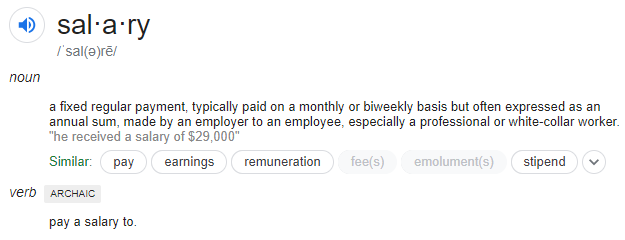
salary definition

Optometrists are not paid a fixed regular amount. Their pay depends on several factors which I will discuss with you in this article. But first, let’s ask the right question.

Rather than ‘what is an optometrist salary?’, a better question would be ‘how much do optometrists make?’

How Much Do Optometrists Make?

All optometrists have the same basic job; they examine patients. But every optometrist makes a different amount. Why is that? Well, it depends on several things. Some of them are controllable, some of them are negotiable, and some of them are just the way they are.

Controllable Factors

Work Week

One of the benefits of being an optometrist is that you can choose your own schedule. You don’t like working Monday to Friday? No problem. You want to have 3 or 4 day work weeks, you got it. An optometrist can set the schedule that suits his/her lifestyle most.

This flexibility makes it difficult to pinpoint an exact dollar amount figure that optometrists make in a year. Those optometrists who have it in them to work 7 days/week will be making a lot more than those working 3 days/week.
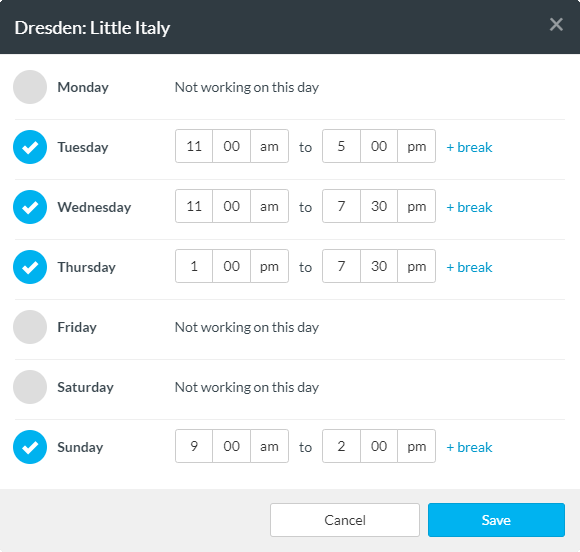
Example Optometrist Schedule
Example of an optometrist schedule

Work Day

Optometrists don’t all work the same hours. Some only work half days, some do long 10-12 hour days. It all depends on the optometrist and this too, will affect how much an optometrist makes.

Location

Generally speaking, optometrists get to choose where they work. If an optometrist works in an area saturated with optometrists at every street corner, they will not make as much as if they were in an area where they are the only optometrist. That’s why optometrists in small rural towns tend to make a lot more than optometrists in the big city.
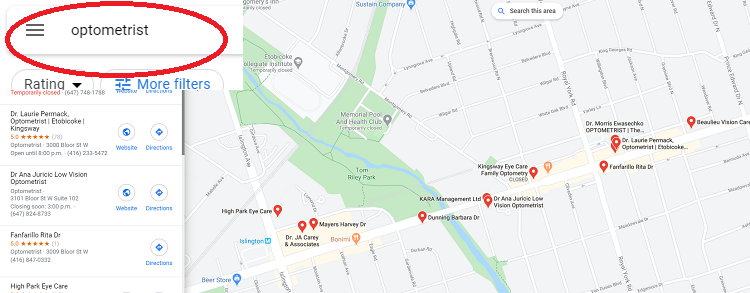
Google Maps of Optometrists in a Small Area
A street densely populated with optometrists

Business Savviness

Optometrists who run their own clinics have to be business savvy in order to succeed. An optometrist could be great at giving eye exams, but if he/she does not have the right staff, purchase the right equipment, carry the right frame lines, do the right marketing, etc., then he or she will not make as much as someone who does.

Negotiable Factors

Associate Contract

Example Optometrist Contract
Example of (part of) an optometrist contract

When joining an already established practice, an optometrist must negotiate an agreement with the practice owner. These are called associate agreements or associate contracts, and they stipulate (among other things) how much of the exam fee the associate optometrist will get to keep and how much will go to the practice owner.

Depending on the type of clinic, an associate optometrist may take a cut of several different services rendered and products sold. Here is a list of items an optometrist could be remunerated for:

  1. Performing eye exams
  2. Selling additional tests such as; retinal imaging, optical coherence tomography (OCT) imaging, visual field tests, pachymetry, gonioscopy, corneal topography, etc.
  3. Selling additional services such as; contact lens fittings, contact lens teachings, vision therapy, dry eye therapy, low vision assessments, etc.
  4. Selling glasses and contact lenses
  5. Selling eye care products such as; eye drops, hot compress masks, vitamins, lid wipes, etc.

The commission on all the products and services mentioned above varies from contract to contract. Some optometrists may get 80% of sales, whereas others might only get 40%. It all depends on the market you are in and the practice owner you are signing the contract with.

Uncontrollable Factors

There are some things in life that we just can’t do anything about, yet, they can have a major impact on our livelihoods. In optometry, there are such things that determine how much optometrists make.

Provincial Health Plans
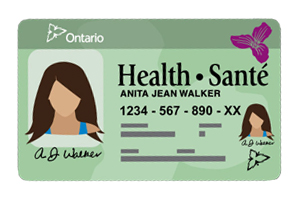
Sample OHIP cardIn Canada, one of these things is provincial health plans. Each province is a little bit different, but in Ontario for example, optometrists are not allowed to charge children or seniors for an eye exam. Rather than receiving payment from the patient, a claim must be submitted to the province for reimbursement.

That doesn’t seem too bad, so what’s the big deal, right? The big deal is that provinces do not reimburse optometrists for the full cost of the eye exam. Depending on what an optometrist charges for their eye exam, the province will generally pay back somewhere between 30-50% of the cost and the optometrist has to absorb the rest.

Some provinces allow for co-pay, others don’t.

Read this article to find out more about how this works in Ontario. 

Shifts In The Industry

The landscape of optometry is changing fast. Only a couple of decades ago, all optometrists had to contend with was competition from other optometrists in town. Nowadays, optometrists compete with online glasses and contact lens retailers from all over the world. Some companies are now even offering online eye exams. Who knows how the fast pace and ever-changing nature of the internet will affect local optometrists in the future.

Banners for Express exam online eye exam
Is this the future, or a fad?

No Benefits

However much an optometrist makes throughout the years, it needs to be taken into account that optometrists receive no dental packages, no paid vacation, no paid sick days, no retirement plan, no drug plan, etc. etc.

Whether an optometrist is a practice owner or an associate to one, they are considered to be self-employed and on their own when it comes to health care spending, budgeting for vacations, and retirement savings. On the bright side, not getting vision benefits isn’t a big loss…

So Then… What Is An Optometrist Salary?

Or, more accurately, how much do optometrists make?

As you now understand, it depends on many different things. Before we can spit out some figures, we must define certain parameters. Here are just 2 of near-endless different scenarios.


Scenario #1

Assumptions

Self-Pay Eye Exam: $100
Province-Pay Eye Exam: $45
Self-Pay Patient to Province-Pay Patient Ratio: 50/50
Average Patients Seen Per Day: 10
No Revenue From Glasses/Contacts/Product Sales
Job Type: Associate
Associate Makes: 60%
Vacation Time: 3 weeks/year + statutory holidays (10)

Pay

@ 6 days per week: $124,410 / year (before taxes)

@ 5 days per week: $103,965 / year (before taxes)

@ 4 days per week: $83,085 / year (before taxes)


Scenario #2

Assumptions

Self-Pay Eye Exam: $120
Province-Pay Eye Exam: $45
Self-Pay Patient to Province-Pay Patient Ratio: 50/50
Average Patients Seen Per Day: 10
Job Type: Associate
Associate Makes: 22% of all money generated for practice
Capture rate*: 40%
Average Glasses Sale: $500
Vacation Time: 3 weeks/year + statutory holidays (10)

*Capture rate is the percentage of patients that also buy glasses in-house

Pay

@ 6 days per week: $177,749 / year (before taxes)

@ 5 days per week: $148,538.5 / year (before taxes)

@ 4 days per week: $118,706.5 / year (before taxes)


Summary

It is impossible to say exactly (or even ballpark) how much “an optometrist” makes because every optometrist’s situation is different. An optometrist salary in Canada depends on their location, the contracts they sign, the success of their clinic, their schedule, the mix of provincially insured vs self-pay patients, the competition around them, their ability to upsell products and services, the performance of their supporting staff, ebbs & flows in the economy, and you know, worldwide pandemics, etc, etc.

If you have any specific questions about how optometrists get paid, let me know in the comments below!
 

How To Become An Optometrist In Canada

How To Become An Optometrist In Canada

Are you thinking of becoming an optometrist or an optician? Well, you’ve come to the right place! On this website, you’ll find tons of resources to help you along your journey. In this article, I will be detailing how to become an optometrist in Canada.

How To Become An Optometrist In Canada Flowchart

Many Paths

The first thing to understand is that there isn’t just one way. I will try to cover as many possible paths to becoming an optometrist in Canada, but just know that if your circumstances are different it doesn’t necessarily mean that you shouldn’t give it a try.

With that said, all paths inevitably have you going through an optometry school, so that’s where we should start.

Choosing An Optometry School

Depending on how far you’re willing to travel and how much you’re willing to spend on going to optometry school, you have a lot of options.

With the exception of a couple of optometry schools in the United States, if you graduate from optometry school anywhere in North America you will be eligible to take Canada’s national optometry board exam without the need for additional schooling.

However, if you intend on going to optometry school in the United Kingdom, Australia, or anywhere else in the world, you will be required to complete a bridging program upon your return to Canada. Once completed, you will be able to challenge the board exam and become licensed. This is called the International Optometric Bridging Program and it is offered at the University of Waterloo in Waterloo, Ontario.

Here are some different optometry school options for you around the world:

Optometry Schools in Canada:

University of Waterloo School of Optometry and Vision Science
An exterior view of the University of Waterloo School of Optometry and Vision Science

Optometry Schools in The United States of America:

Optometry Schools in The United Kingdom:

Optometry Schools in Australia:

Preparing For Your Optometry School Application

Getting into optometry school can be difficult. The field of applicants is always very large and thus, very competitive. For your application to stand out and to improve your chances, here are a few recommendations.

Ensure A High GPA

Your GPA will be one of the most important factors in your application. This goes without saying and is obviously easier said than done. Take your university studies seriously, choose your courses carefully and seek all available help if you are struggling (and even if you’re not).

Score Well On The Optometry Admission Test (OAT)

Your OAT score will be compared to every other applicant, therefore it must be above average for you to have a good chance.

For many optometry schools, you can look up the average OAT score of successful applicants. If you can’t find it on the school’s website, try to contact someone at the school to find out. This can help prevent you from applying with a substandard OAT score.

Job Shadow

Optometry schools want to know if you’re motivated to become an optometrist. Having a good GPA and a high OAT score proves that you’re intelligent, but if you don’t show that you’re seriously considering entering optometry, it’ll hurt your chance.

Job shadowing is a basic and frankly expected way to demonstrate that you’ve spent time researching the profession and know what you’re getting yourself into.

I would recommend spending at least a summer or two volunteering/job shadowing at a busy full-scope optometry practice.

Get A Reference Letter From Someone Who Knows You Well

As part of your optometry school application, you will have to submit a reference letter written by a licensed optometrist.

It is difficult for an optometrist to highlight your strengths in a reference letter if he/she does not know you well.

That’s why spending lots of time job shadowing and volunteering in an optometry clinic is helpful. By doing so, not only are you showing your dedication to the profession, but you’re also allowing your supervising optometrist to get to know you and really boast about you in your reference letter.

Acquire Relevant Work Experience

Job shadowing and volunteering can open doors to new opportunities like part-time work. Having real-world job experience in the eye care industry is a great asset for your application and can really set you apart from other applicants.

Optometry Office
Working or volunteering in an optometry office is a great experience and looks good for your application.

Show That You Are Well Rounded

Having a one-track mind on optometry isn’t necessarily a good thing. You don’t want your time spent volunteering in optometry offices to come off something you did only to pad your application.

Make sure you have solid volunteer experience in other fields. Volunteer opportunities are not difficult to find when you’re in university so it’s almost expected that you should be involved in some clubs or charitable organizations.

Making It Through Optometry School

Optometry School is a fairly rigorous 4-year program, but nothing you can’t handle if you’ve been accepted into one. Just pass all your courses and graduate.

Don’t worry, there are plenty of opportunities to have fun along the way as well. These 4 years will fly by.

Graduating From University of Waterloo School of Optometry
Here I am posing for pictures with classmates at my convocation ceremony in 2012.

Taking The National Board Exam

To become an optometrist in Canada, in or after your last year of Optometry School you will have to take Canada’s national board exam called the OEBC (Optometry Examining Board of Canada) exam.

The OEBC exam consists of 2 parts. They are the:

  1. Written Exam
  2. Objective Structured Clinical Exam (OSCE)

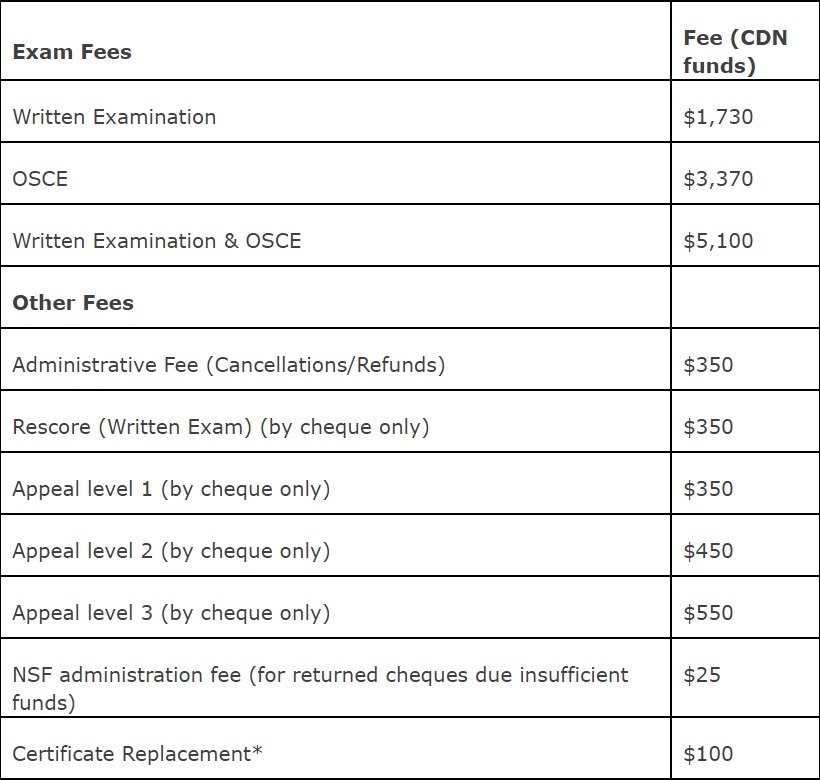
Believe me when I say that you only want to take the OEBC exam once, so prepare well! The exam is only offered twice per year so having to retake it will delay you getting licensed by at least 6 months. Furthermore is it not cheap!

Here’s the list of OEBC fees:

Optometry Examining Board of Canada Fees

Getting Licensed

When you finally graduated from your chosen Optometry School and pass the board exam, you’re not an optometrist yet. You still have to become licensed in the jurisdiction that you plan to work in.

In Canada, each province has it’s own regulatory body called a College (or Association) that is responsible for licensing optometrists. I.e., The College of Optometrists of Ontario, The Alberta College of Optometrists, L’Ordre des optométristes du Québec, etc.

Each province’s College may have slightly different requirements, but in general, the requirements for obtaining a license to practice Optometry are:

  1. Pay a registration fee
  2. Provide your optometry diploma
  3. Provide your official optometry school transcript
  4. Provide results of your national board exam (called the OEBC)
  5. Pass a provincial jurisprudence exam
  6. Provide your CPR certification
  7. Provide a clean police background check

Here is a list of every province’s College/Association for more registration details:

Congratulations, You’ve Now Become An Optometrist in Canada!

Dr Jason Woo Optometrist in Toronto Canada1

And that’s how to become an optometrist in Canada! Yes it’s a long road and there’s a lot of work involved, but nothing in life worth doing is easy. If you have questions about any step of the process, I’m here to help, just leave a comment below.

Do you think optometry is not for you? Check out how to become an optician in Canada!


Choosing Your Field of Study

Choosing Your Field of Study

Choosing your field of study, or more specifically, choosing what to take on as your career, can be one of the hardest decisions anyone has to make in life. No matter what stage of life you are in, it is worth taking some time to get to know yourself better. This is called self-awareness, and if you commit to it before making any life-changing decisions, in a few years when you look back, you will see how much physical, mental, and emotional energy you have saved, not to mention money!

Now, some of you might say that’s not the case for you! And you decided on a career at a young age! If that’s you, well…kudos to you! However, I bet there are some of you who don’t know what to pursue. At least not as of yet! In that case, don’t worry…you are not alone! 

Today, I’m sharing with you a few tips that helped me in making a decision.

Make a list of your strengths & weaknesses

When choosing a field of study it’s a good idea to take inventory of your strengths and weaknesses before committing to anything. All of us have some sort of idea of what we do well and what we don’t. However, having a tangible representation, such as a list, can help in reinforcing the good qualities and developing a plan of action for areas of improvement. I suggest taking your time when preparing this list, maybe over a few days. Try to find a time and place where you cannot be distracted and can gather your thoughts. To start identifying your areas of strength and weakness think of the things you have done and your experiences until this point in time, and look at them objectively.

For instance, think of any subject you have studied at school, hobbies or activities that you do, compliments or criticism you’ve received from someone regarding your character or skills, something you have done or accomplished that made you feel proud or disappointed. If you are still in high school, looking at the rubrics from your assignments and the mark you received can be very helpful to gain more insight into things. Remember to give yourself a break after spending some time thinking and writing. 

You can also, talk to your trusted acquaintances – friends, family, colleagues, etc. – to learn more about yourself. Usually, people see us differently than we see ourselves. It can be interesting to hear their point of view, as well. When you are done, keep your list as a reference to go back to every once in a while to see where you stand with your improvements, and to remind yourself of the good things about you.

Consider Volunteering

How to choose your field of study

Volunteering is a great opportunity to meet new people and learn new things. The experience you gain through volunteer work can impact what you choose to study in the future. 

Try to find a position in a field you are interested in or are curious about. If you are a student try to take on different roles in different industries to expand your views. You might end up hating a field or falling in love with one. Whatever the outcome, you will have a better understanding of your likes and dislikes. If you are interested in giving it a try, check out the links below to get started;

  1. Volunteer Canada
  2. Volunteer Match
  3. Ontario Nature
  4. Canadian Red Cross
  5. Volunteer Ontario
  6. Toronto Charities
  7. City of Toronto
  8. Volunteer Toronto
  9. The CNIB Foundation

Take Personality Tests

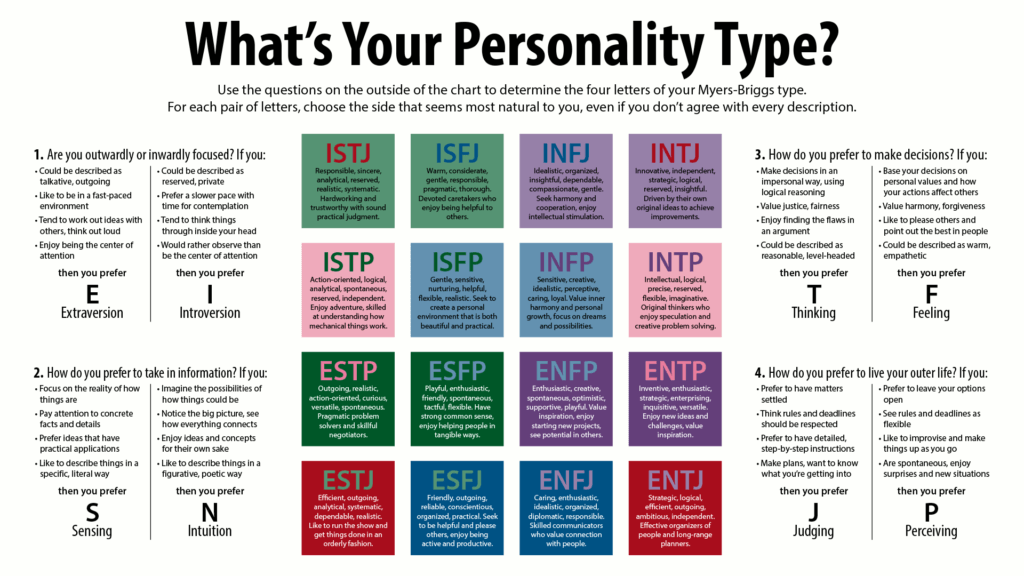
Chart of Myers Briggs Types

Another way to learn more about yourself is by taking standardized personality tests. Standardized Personality tests are tools developed by scientists and scholars, especially in the field of psychology. The purpose of these tests is to identify and categorize different aspects of human behaviour. The insight that these tests give us, can have many practical applications, one of which is finding a suitable field of study or career.

 One of the most popular personality tests out there is the Myer-Briggs Type Indicator or MBTI. Some of you might already be familiar with this test. For those of you who might not be, here’s a little background;

MBTI or Myer-Briggs Type Indicator is named after its developers, Isabel Briggs Myers and Katharine Cook Briggs, a mother-daughter duo, who developed this tool over 30 years of careful study, research, and analysis of similarities and differences between humans. The test identifies 16 personality types each made of 4 major indicators of human behavioural tendencies. Each of these 4 indicators has 2 contrasting qualities. Based on MBTI our personalities are made up of how we view the world, how we perceive information, how we process that information to make decisions, and how we structure our values. Take a look at the chart below, for a summary of these 16 personality types, and their characteristics.

If you can’t wait to find out what your personality type is, and you love to learn and have fun, then you’re going to love these;

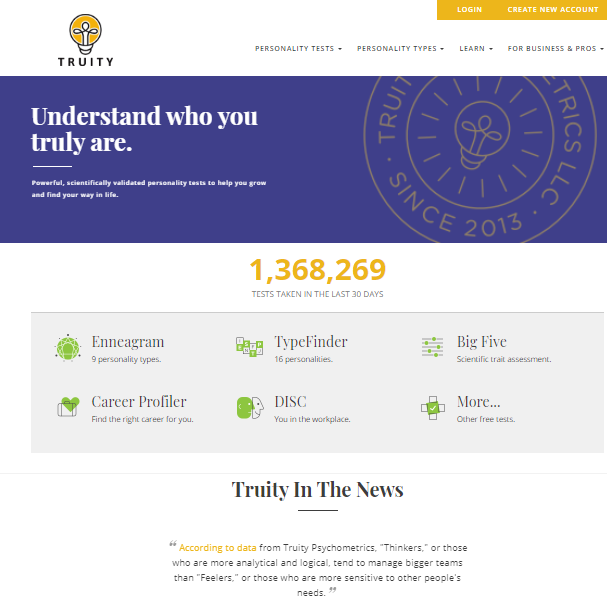
Truity

Take Personality Tests

Truity is a website dedicated to psychometric tests, and it offers both free and paid tests. An account is not needed to take the tests and view your results. However, you might want to consider one if you want to save your results & review them later on. What I like about Truity is that the test results include potential career options. And if you find yourself interested in a field you can go ahead and read on job-specific requirements, or take their career aptitude test to narrow down your options. You can take the MBTI test here, for free!

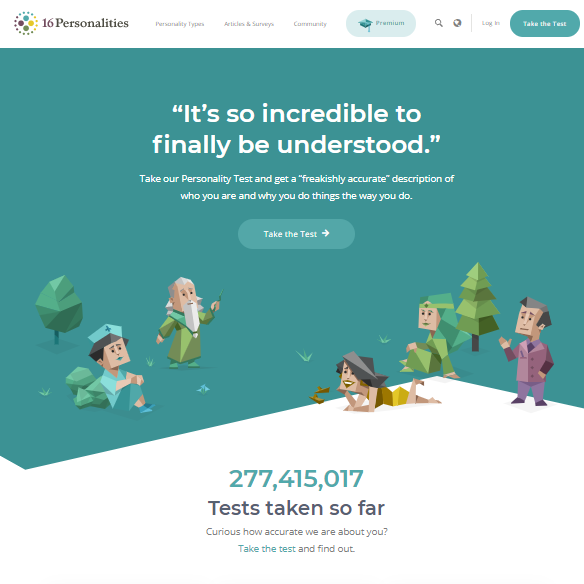
16 Personalities

Take Personality Test

As you might have guessed, 16 Personalities offers only the MBTI test. What makes it interesting is that you can join their community and find like-minded people to connect with, or read on interesting blog posts to learn more about your type and maybe those of your friends!

Frank James

And my personal favourite, Frank James, a Youtuber who specializes in MBTI comedy sketches! So, if you are tired after all the test-taking, check out his channel and refresh with a good laugh. You might also learn a thing or two about other personalities in your life! 😉

Visit Job Bank Canada

Last but not least is a useful resource, great for gaining insight not only into your qualities but also into different fields of study and work. Job Bank Canada provides local, and current data and trends on occupations and fields of study. You can use the career planning tool to;

  • learn about a field of study,
  • take career quizzes or in other words, personality and aptitude tests,
  • discover job profiles,
  • and use the skills and knowledge checklist to take inventory of your abilities.  

I hope this post helps you to have a better understanding of what your desires are. Also, I hope you find these ideas helpful in choosing your field of study. If you are interested to know about my field of study, check out this post. I  also recommend reading this post on optometry, to learn more about careers in the eye care industry.  As always feel free to ask any questions, or leave a comment. I would love to hear about what helped you choose a career!