Are you thinking of becoming an optometrist or an optician? Well, you’ve come to the right place! On this website, you’ll find tons of resources to help you along your journey. In this article, I will be detailing how to become an optometrist in Canada.

Many Paths
The first thing to understand is that there isn’t just one way. I will try to cover as many possible paths to becoming an optometrist in Canada, but just know that if your circumstances are different it doesn’t necessarily mean that you shouldn’t give it a try.
With that said, all paths inevitably have you going through an optometry school, so that’s where we should start.
Choosing An Optometry School
Depending on how far you’re willing to travel and how much you’re willing to spend on going to optometry school, you have a lot of options.
With the exception of a couple of optometry schools in the United States, if you graduate from optometry school anywhere in North America you will be eligible to take Canada’s national optometry board exam without the need for additional schooling.
However, if you intend on going to optometry school in the United Kingdom, Australia, or anywhere else in the world, you will be required to complete a bridging program upon your return to Canada. Once completed, you will be able to challenge the board exam and become licensed. This is called the International Optometric Bridging Program and it is offered at the University of Waterloo in Waterloo, Ontario.
Here are some different optometry school options for you around the world:
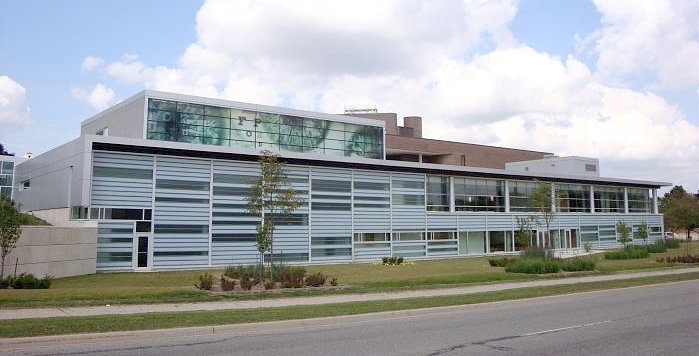
Optometry Schools in Canada:
- University of Waterloo School of Optometry and Vision Science
- L’École d’optométrie de l’Université de Montréal
Optometry Schools in The United States of America:
- Ferris State University Michigan College of Optometry
- Illinois College of Optometry
- Indiana University School of Optometry
- Inter-American University of Puerto Rico, School of Optometry
- MCPHS University School of Optometry
- Midwestern University Arizona College of Optometry
- New England College of Optometry
- Northeastern State University, Oklahoma College of Optometry
- Nova Southeastern University College of Optometry
- Ohio State University College of Optometry
- Pacific University College of Optometry
- Pennsylvania College of Optometry at Salus University
- Southern California College of Optometry at Marshall B. Ketchum University
- Southern College of Optometry
- State University of New York, College of Optometry
- University of Alabama at Birmingham School of Optometry
- University of California, Berkeley School of Optometry
- University of Houston College of Optometry
- University of Missouri – St. Louis, School of Optometry
- University of the Incarnate Word Rosenberg School of Optometry
- Western University of Health Sciences College of Optometry
Optometry Schools in The United Kingdom:
- University of Plymouth
- City, University of London
- University of the West of England
- Glasgow Caledonian University
- Cardiff University
- Ulster University
- University of Bradford
- Anglia Ruskin University
- University of Central Lancashire
- University of Hertfordshire
- University of Huddersfield
- University of Manchester
Optometry Schools in Australia:
- Deakin University
- Flinders University
- Queensland University of Technology
- University of Canberra
- University of Melbourne
- University of New South Wales
Preparing For Your Optometry School Application
Getting into optometry school can be difficult. The field of applicants is always very large and thus, very competitive. For your application to stand out and to improve your chances, here are a few recommendations.
Ensure A High GPA
Your GPA will be one of the most important factors in your application. This goes without saying and is obviously easier said than done. Take your university studies seriously, choose your courses carefully and seek all available help if you are struggling (and even if you’re not).
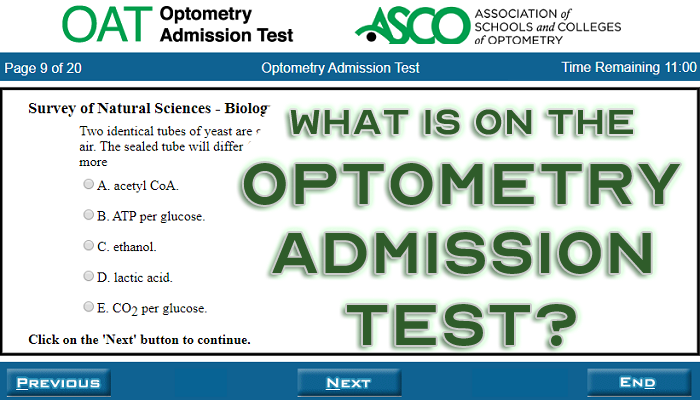
Score Well On The Optometry Admission Test (OAT)
Your OAT score will be compared to every other applicant, therefore it must be above average for you to have a good chance.
For many optometry schools, you can look up the average OAT score of successful applicants. If you can’t find it on the school’s website, try to contact someone at the school to find out. This can help prevent you from applying with a substandard OAT score.
Job Shadow
Optometry schools want to know if you’re motivated to become an optometrist. Having a good GPA and a high OAT score proves that you’re intelligent, but if you don’t show that you’re seriously considering entering optometry, it’ll hurt your chance.
Job shadowing is a basic and frankly expected way to demonstrate that you’ve spent time researching the profession and know what you’re getting yourself into.
I would recommend spending at least a summer or two volunteering/job shadowing at a busy full-scope optometry practice.
Get A Reference Letter From Someone Who Knows You Well
As part of your optometry school application, you will have to submit a reference letter written by a licensed optometrist.
It is difficult for an optometrist to highlight your strengths in a reference letter if he/she does not know you well.
That’s why spending lots of time job shadowing and volunteering in an optometry clinic is helpful. By doing so, not only are you showing your dedication to the profession, but you’re also allowing your supervising optometrist to get to know you and really boast about you in your reference letter.
Acquire Relevant Work Experience
Job shadowing and volunteering can open doors to new opportunities like part-time work. Having real-world job experience in the eye care industry is a great asset for your application and can really set you apart from other applicants.
Show That You Are Well Rounded
Having a one-track mind on optometry isn’t necessarily a good thing. You don’t want your time spent volunteering in optometry offices to come off something you did only to pad your application.
Make sure you have solid volunteer experience in other fields. Volunteer opportunities are not difficult to find when you’re in university so it’s almost expected that you should be involved in some clubs or charitable organizations.
Making It Through Optometry School
Optometry School is a fairly rigorous 4-year program, but nothing you can’t handle if you’ve been accepted into one. Just pass all your courses and graduate.
Don’t worry, there are plenty of opportunities to have fun along the way as well. These 4 years will fly by.
Taking The National Board Exam
To become an optometrist in Canada, in or after your last year of Optometry School you will have to take Canada’s national board exam called the OEBC (Optometry Examining Board of Canada) exam.
The OEBC exam consists of 2 parts. They are the:
- Written Exam
- Objective Structured Clinical Exam (OSCE)
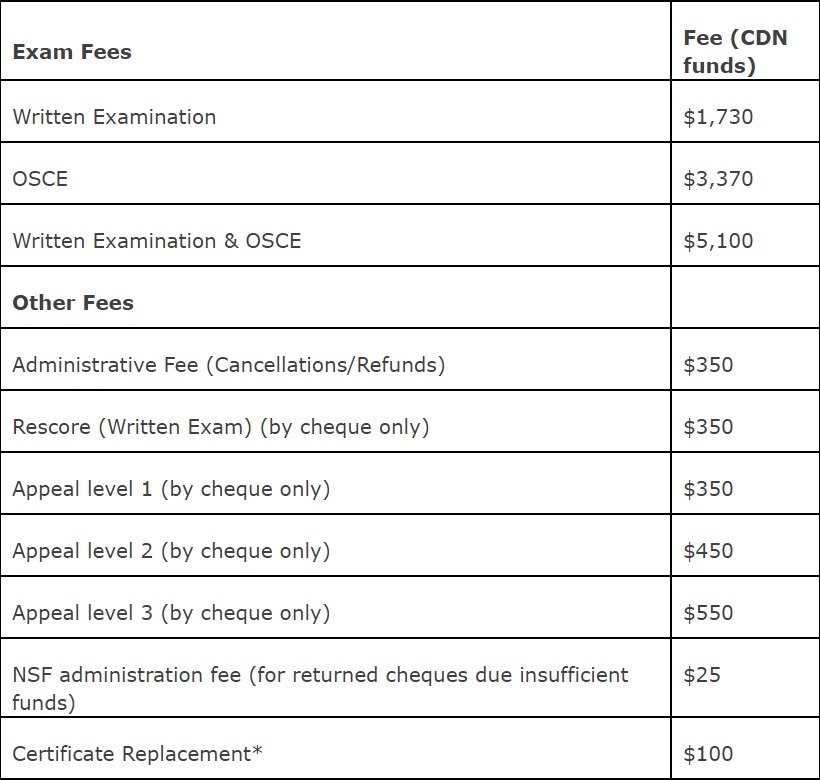
Believe me when I say that you only want to take the OEBC exam once, so prepare well! The exam is only offered twice per year so having to retake it will delay you getting licensed by at least 6 months. Furthermore is it not cheap!
Here’s the list of OEBC fees:
Getting Licensed
When you finally graduated from your chosen Optometry School and pass the board exam, you’re not an optometrist yet. You still have to become licensed in the jurisdiction that you plan to work in.
In Canada, each province has it’s own regulatory body called a College (or Association) that is responsible for licensing optometrists. I.e., The College of Optometrists of Ontario, The Alberta College of Optometrists, L’Ordre des optométristes du Québec, etc.
Each province’s College may have slightly different requirements, but in general, the requirements for obtaining a license to practice Optometry are:
- Pay a registration fee
- Provide your optometry diploma
- Provide your official optometry school transcript
- Provide results of your national board exam (called the OEBC)
- Pass a provincial jurisprudence exam
- Provide your CPR certification
- Provide a clean police background check
Here is a list of every province’s College/Association for more registration details:
- British Columbia: College of Optometrists of British Columbia
- Alberta: Alberta College of Optometry
- Saskatchewan: Saskatchewan Association of Optometrists
- Manitoba: Manitoba Association of Optometrists
- Ontario: College of Optometrists of Ontario
- Quebec: L’Ordre des optométristes du Québec
- New Brunswick: New Brunswick Association of Optometrist
- Prince Edward Island: Prince Edward Island College of Optometrists
- Nova Scotia: Nova Scotia College of Optometrists
- Newfoundland: Newfoundland and Labrador College of Optometrists
Congratulations, You’ve Now Become An Optometrist in Canada!
And that’s how to become an optometrist in Canada! Yes it’s a long road and there’s a lot of work involved, but nothing in life worth doing is easy. If you have questions about any step of the process, I’m here to help, just leave a comment below.
Do you think optometry is not for you? Check out how to become an optician in Canada!